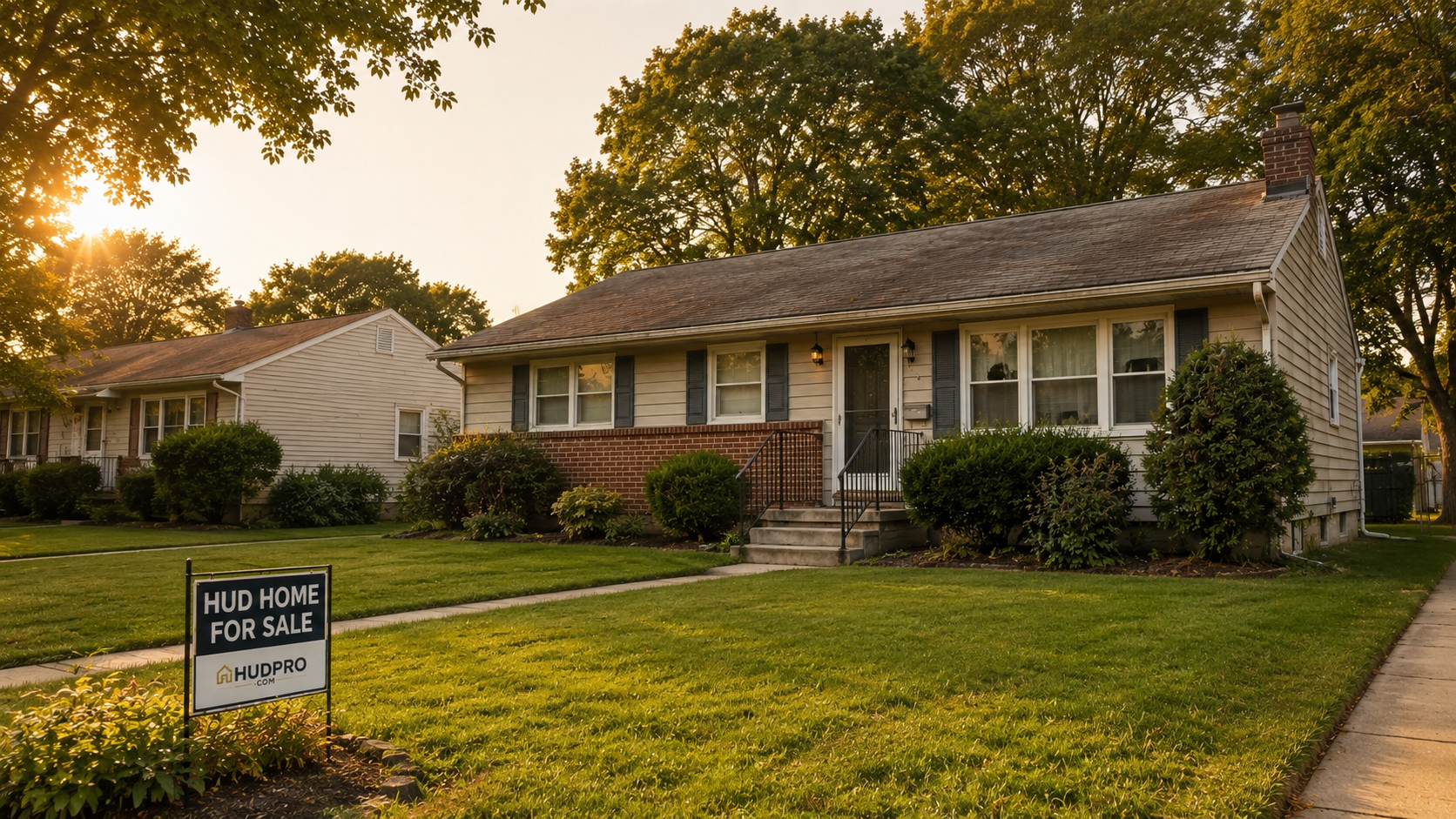
More HUD Homes May Reach the Market in 2026. Here's Why Owner-Occupants Should Pay Attention.
For many Americans, rising foreclosure activity is difficult news. Every foreclosure represents a family facing financial hardship.
But as more FHA-insured mortgages move through the foreclosure process, another story begins. Many of those properties may eventually become HUD homes, creating new opportunities for buyers looking for affordable homeownership.
Recent foreclosure data suggests that the pipeline of future HUD homes may be growing. While foreclosure activity doesn't immediately create HUD inventory, today's trends often influence the number of HUD homes available for sale several months later.
Rising Foreclosure Activity May Increase Future HUD Inventory
According to ATTOM's Q1 2026 U.S. Foreclosure Market Report, foreclosure activity continued to increase during the first quarter of the year:
- 118,727 U.S. properties had foreclosure filings, a 26% increase from one year earlier.
- 82,631 properties entered the foreclosure process, up 20% year over year.
- 14,020 homes were repossessed by lenders (REO), an increase of 45% compared to the same period last year.
- The average foreclosure timeline fell to 577 days, about 14% shorter than one year earlier.
These numbers don't mean HUD inventory will immediately increase. However, as FHA-insured foreclosures move through the legal process and eligible properties are conveyed to HUD, additional homes may eventually become available for purchase.
Why This Matters for Homebuyers
HUD homes have long offered buyers an affordable path to homeownership, and a larger inventory simply means more opportunities.
Competitively Priced Homes
Unlike a traditional seller trying to maximize profit, HUD's objective is to sell acquired properties efficiently while recovering insurance losses. As a result, many HUD homes are competitively priced compared with similar homes in the local market.
Eligible Buyers May Qualify for FHA's $100 Down Program
Some HUD homes qualify for FHA's $100 Down Program, allowing eligible owner-occupant buyers using FHA financing to purchase with as little as $100 toward the required down payment.
Not every property qualifies, so buyers should always verify eligibility with their lender and a HUD-registered real estate professional.
Owner-Occupants Get the First Opportunity
One of the biggest advantages of buying a HUD home is something many buyers don't realize.
When most HUD homes are first listed, they enter an Exclusive Listing Period, during which bids are generally limited to eligible owner-occupants, certain nonprofit organizations, and government agencies.
Only after that initial period expires are investors typically allowed to compete.
For buyers planning to live in the home, that head start can make a meaningful difference.
Additional Savings for Public Servants
Eligible teachers, firefighters, law enforcement officers, and EMTs may also qualify for HUD's Good Neighbor Next Door program, which can provide discounts of up to 50% on eligible homes located in designated revitalization areas.
A Note on the Bigger Picture
Even as Congress has moved to limit large institutional investors from purchasing single-family homes, the foreclosure-related acquisition pathway — the precise channel that feeds HUD inventory — remains exempt from current proposals. The pipeline this article describes is the one current legislation leaves open.
For owner-occupant buyers who qualify for the Exclusive Listing Period, that makes understanding and monitoring HUD inventory more important than ever.
How to Prepare Now
If foreclosure activity continues to translate into additional HUD inventory later this year, prepared buyers will be in the strongest position to act.
Before the right home appears:
- Get pre-approved for financing.
- Understand how HUD's bidding process works.
- Work with a HUD-registered real estate agent.
- Monitor new HUD listings regularly so you don't miss the Exclusive Listing Period.
Looking Ahead
No one celebrates foreclosure. Every property entering the foreclosure process represents a family facing financial hardship.
But once eligible FHA-insured properties complete that process and enter HUD's inventory, they become opportunities for another family to achieve homeownership.
While no one can predict exactly how many HUD homes will become available in the months ahead, today's foreclosure trends suggest buyers may have more opportunities to choose from than they've seen in recent years. That trend showed no sign of slowing in April, when completed bank repossessions rose another 42 percent from a year earlier — the pipeline continues to fill.
For buyers who have been waiting for the right opportunity, 2026 may be a year worth watching closely.
Housing professional with 23 years of experience in HUD-focused real estate and HUD-regulated housing workflows. About the author →
Take the next step
This article is HUDPRO editorial analysis. For external headlines, open Market News. By List is the live HUD inventory stats view; the map is where listings live.